


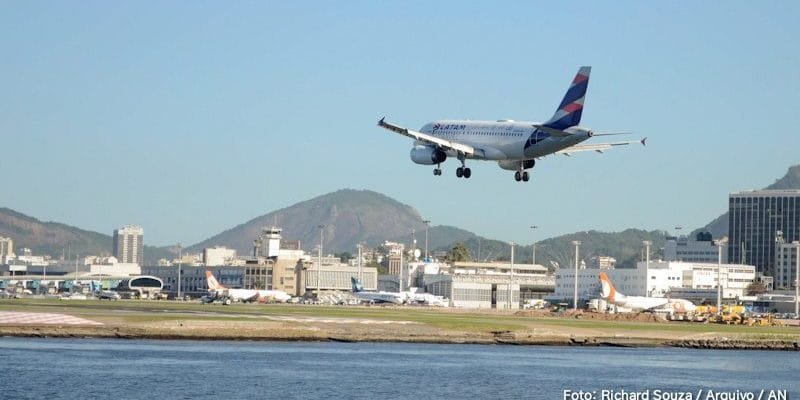
[Foto: Richard Souza / AN]
Rio de Janeiro is hosting the 82nd Annual General Meeting (AGM) of the International Air Transport Association (IATA) and the World Air Transport Summit (WATS) from June 6 to 8. The event convenes approximately 1,500 aviation industry representatives, government officials, and press members from across the globe.
This marks the first time in 27 years that the airline industry’s premier global gathering has returned to South America. The last edition held in the region took place in 1999, also in Rio de Janeiro. For this year’s event, LATAM Airlines Group is serving as the host airline.
According to IATA, hosting the assembly in Brazil comes at a time of robust growth for both the domestic and regional aviation markets. IATA Director General Willie Walsh highlighted South America’s airport infrastructure investments over recent decades and pointed to Brazil’s vast potential to expand its air connectivity.
Data presented by the association indicates that Brazil’s aviation sector already accounts for 2.1% of the country’s Gross Domestic Product (GDP) when factoring in the entire economic value chain linked to air transport, including tourism and related commercial activities. The industry supports roughly 1.9 million jobs and contributes $46.4 billion to the national economy.
The Brazilian market has also posted impressive growth in passenger traffic. In 2025, total demand surged 11.5% compared to the prior year. Domestic traffic surpassed the 100-million-passenger threshold for the first time, while international demand registered a 17% increase over 2024 levels.
For LATAM Airlines Group CEO Roberto Alvo, the summit provides a key opportunity to discuss strategic measures aimed at maximizing aviation’s contribution to economic development across Brazil and South America.
In addition to the General Assembly, the schedule includes the World Air Transport Summit, which will tackle some of the industry’s most pressing challenges. Agenda topics include unlocking the potential of Brazilian aviation, scaling Sustainable Aviation Fuel (SAF) production, managing the impact of geopolitical conflicts on airspace, air cargo trends, passenger rights, and integrating artificial intelligence into airline operations.
The program will also feature an international airline CEOs panel and the presentation of the IATA Diversity and Inclusion Awards, an initiative recognizing actions aimed at advancing gender equality across the aviation sector.
Widely regarded as the primary global platform for strategic debate in aviation, the IATA AGM brings together representatives from companies responsible for the vast majority of world air traffic, driving discussions that directly shape the future of international commercial flight.